

At Urukan Arts and Culture.


Urukan Arts and Culture Hub is a community-based creative platform rooted in Nakuru, Kenya. We are dedicated to advancing cultural innovation, youth empowerment, and sustainable urban transformation through the arts. We believe that creativity is not a luxury — it is a catalyst. Through participatory art, indigenous knowledge, and environmental stewardship, we work alongside communities to reimagine marginalized urban settlements as vibrant cultural ecosystems.
Our Story
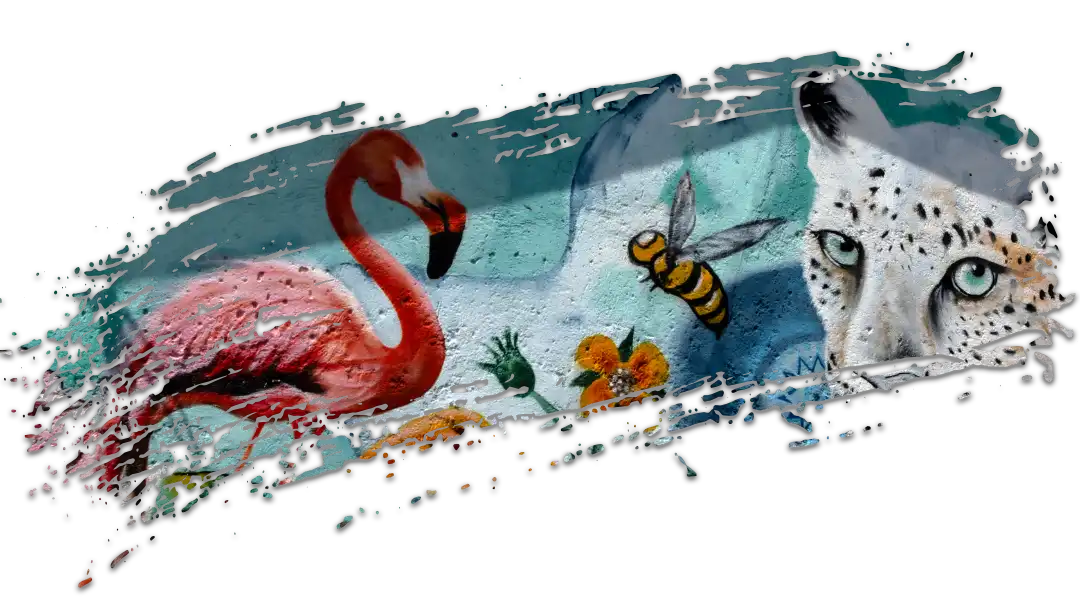
Urukan's roots go back to 2008, when our founder and Curator Maina Joseph Gichohi — widely known as Barbushe — began transforming the walls of Flamingo and Kimathi estates with vibrant murals celebrating Nakuru's natural heritage. That act of creative defiance, painting 36 walls with wildlife, waterfalls, birds, and the landscapes of Lake Nakuru National Park, was more than beautification. It was a declaration: that the communities living in the shadow of one of Kenya's most visited national parks deserved to share in its story, its identity, and its economic promise.
That vision grew steadily over the years into what is now the Urukan Arts and Culture Hub — a structured, community-driven platform anchored in Lakeview Estate, one of the densely populated inner-city neighbourhoods that border Lake Nakuru National Park. For decades, residents of Lakeview, Flamingo, Kimathi, Mwariki, and Phase Two estates had little to show from the billions of shillings generated by the heritage on their doorstep. Urukan was founded to change that.
Nakuru:Kenya's First UNESCO Creative City
Our work takes place within a city that the world has formally recognized as a creative force. In November 2021, Nakuru was designated a UNESCO Creative City, joining 49 new cities worldwide in the UNESCO Creative Cities Network. It became the first town in Kenya to receive this recognition from the global body.
Nakuru joins the Craft and Folklore category — a reflection of the rich folk arts of the communities living in the city. These cities are recognized by UNESCO for their commitment to placing culture and creativity at the heart of their development and for sharing knowledge and good practices.
What We Do
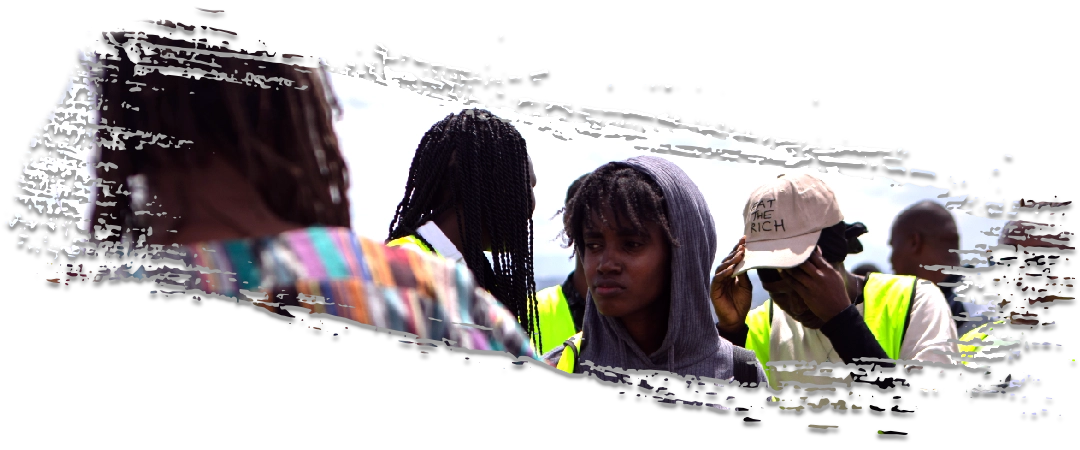
Our work sits at the intersection of art, ecology, and community development. Through our Inner-City Programme, we bring together young people, local artists, conservation partners including Kenya Wildlife Service, and community stakeholders to co-create inclusive and sustainable urban futures.
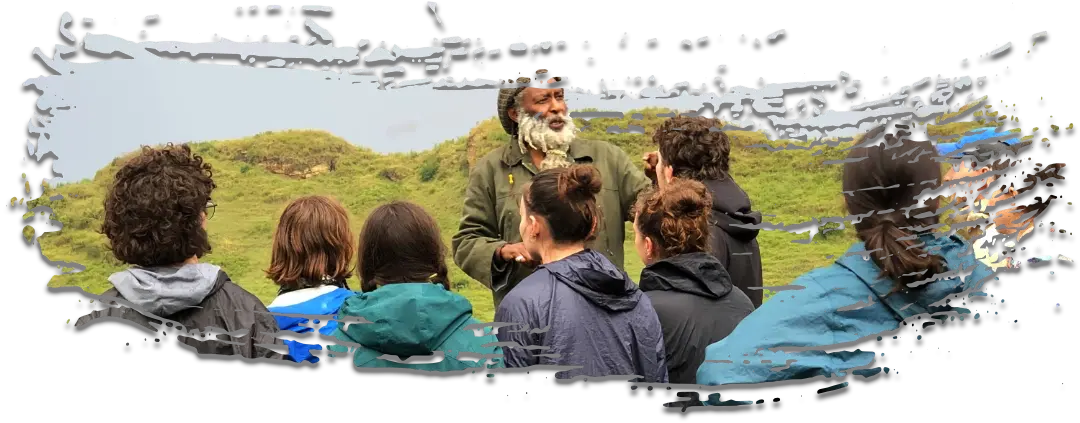
Our programmes include participatory art engagement, tree planting along ecological buffer zones, indigenous knowledge preservation, youth enterprise development, and public mural art that transforms urban spaces into open-air cultural expressions. Public art installations — murals and sculptures — can be seen throughout Nakuru, turning public spaces into open-air galleries. These community art projects have had a transformative impact, making Nakuru more visually appealing while fostering a sense of pride and ownership among residents.
Each year, we mark UNESCO World Art Day at Honeymoon Hill — a growing tradition now in its third consecutive year — as a public affirmation that culture belongs to communities, and that communities have the power to design their own futures.
Youth at the Centre
Unemployment, crime, and economic exclusion are realities for many young people in Nakuru's inner-city estates. Urukan was built to directly address this. The Urukan City project is pegged along the 17 Sustainable Development Goals. It seeks to create an economic space to generate income for the growing number of unemployed youth, and hopes to reduce poverty levels and crime in the community.
Through our programmes, young people gain skills as painters, muralists, photographers, tour guides, merchandise designers, and cultural practitioners. Since Nakuru's UNESCO recognition, local youth have been awarded tenders to paint murals throughout the city — a direct pipeline from community-based arts training to economic participation. We are building a generation of young people who do not just consume culture, but create it, own it, and earn from it.
Our Founder
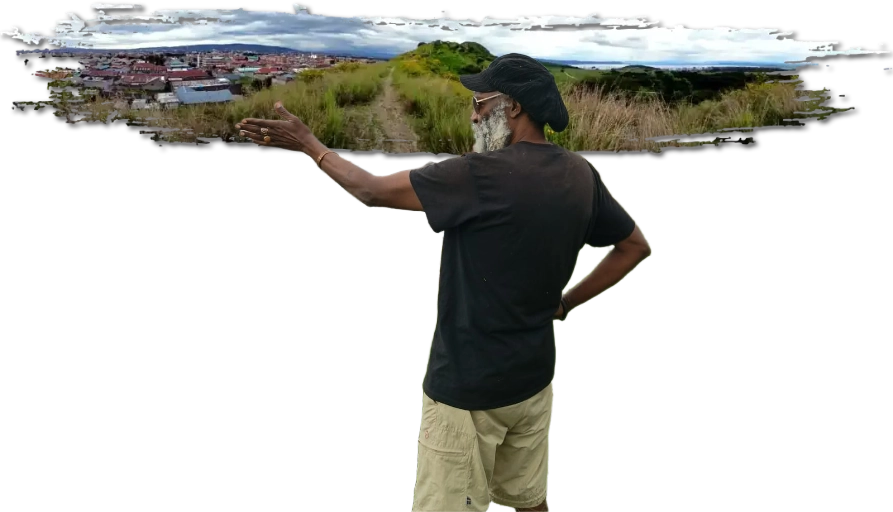
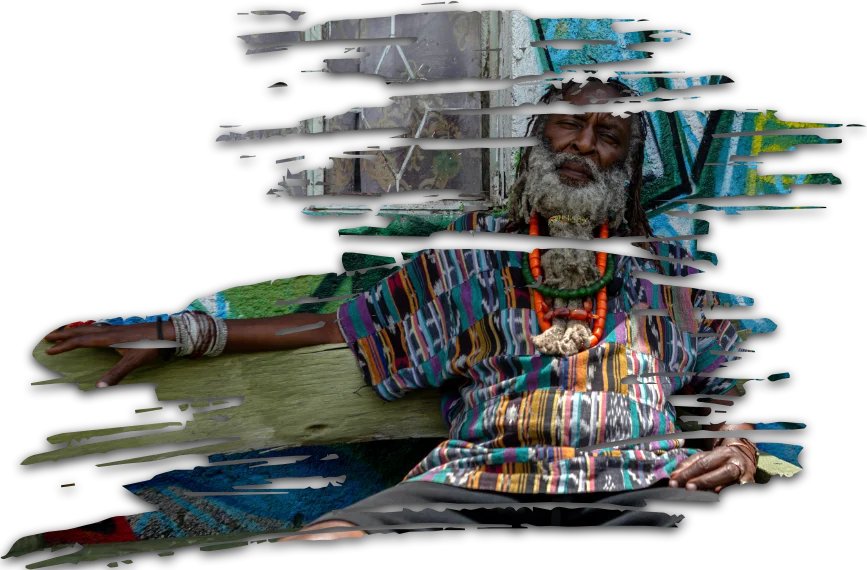
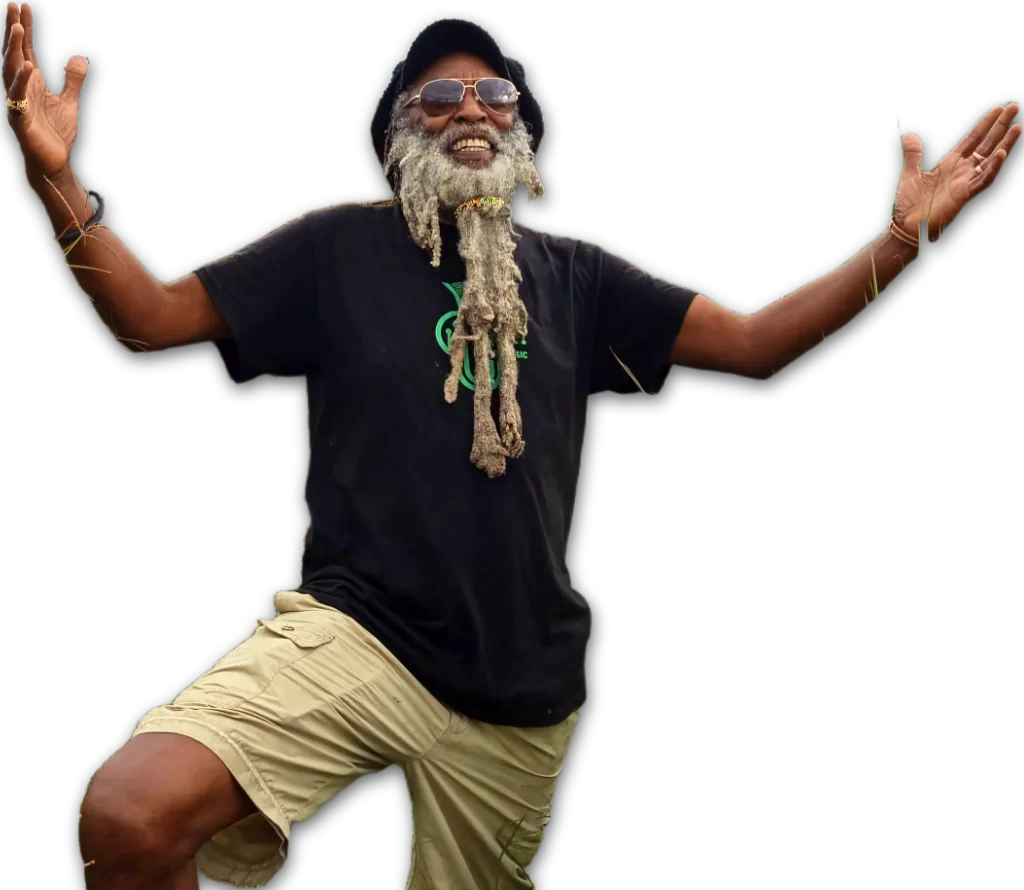
Maina Joseph Gichohi — known to all as Barbushe — is a thespian, art manager, film actor, and community organizer who has spent over two decades placing Nakuru on Kenya's cultural map. Commonly referred to as the "Father of Art" in Nakuru, Barbushe played a pivotal role in advocating for the city's recognition as the first Creative City in Kenya, with the support of the county government and the Kenya National Commission for UNESCO.
His vision has always extended beyond awards and recognition. He believes art is infrastructure — as essential to a thriving community as roads, water, or schools. Under his curation, Urukan continues to push for alternative development pathways that are rooted in community identity, indigenous knowledge, and the irreplaceable power of creative expression.
Barbushe played a pivotal role in lobbying for the city's recognition, leading to its designation as the first Creative City in Kenya. In June 2021, he applied to UNESCO to have Nakuru recognized as a Creative City. After months of dedicated effort, Nakuru earned its place in the UNESCO Creative Cities Network under the Craft and Folk Art category.
Our Partners
We do not work alone. Our initiatives are built in partnership with Kenya Wildlife Service, which shares our commitment to the coexistence of wildlife and human communities around Lake Nakuru. We work alongside local government, community youth groups, artists, and organizations aligned with UNESCO's Priority Africa framework and the 2030 Agenda for Sustainable Development.
Media

Get in Touch

Have a question or want to collaborate? We'd love to hear from you.